
Contents
- 🎵 Origins & History
- ⚙️ How It Works
- 📊 Key Facts & Numbers
- 👥 Key People & Organizations
- 🌍 Cultural Impact & Influence
- ⚡ Current State & Latest Developments
- 🤔 Controversies & Debates
- 🔮 Future Outlook & Predictions
- 💡 Practical Applications
- 📚 Related Topics & Deeper Reading
- Frequently Asked Questions
- Related Topics
Overview
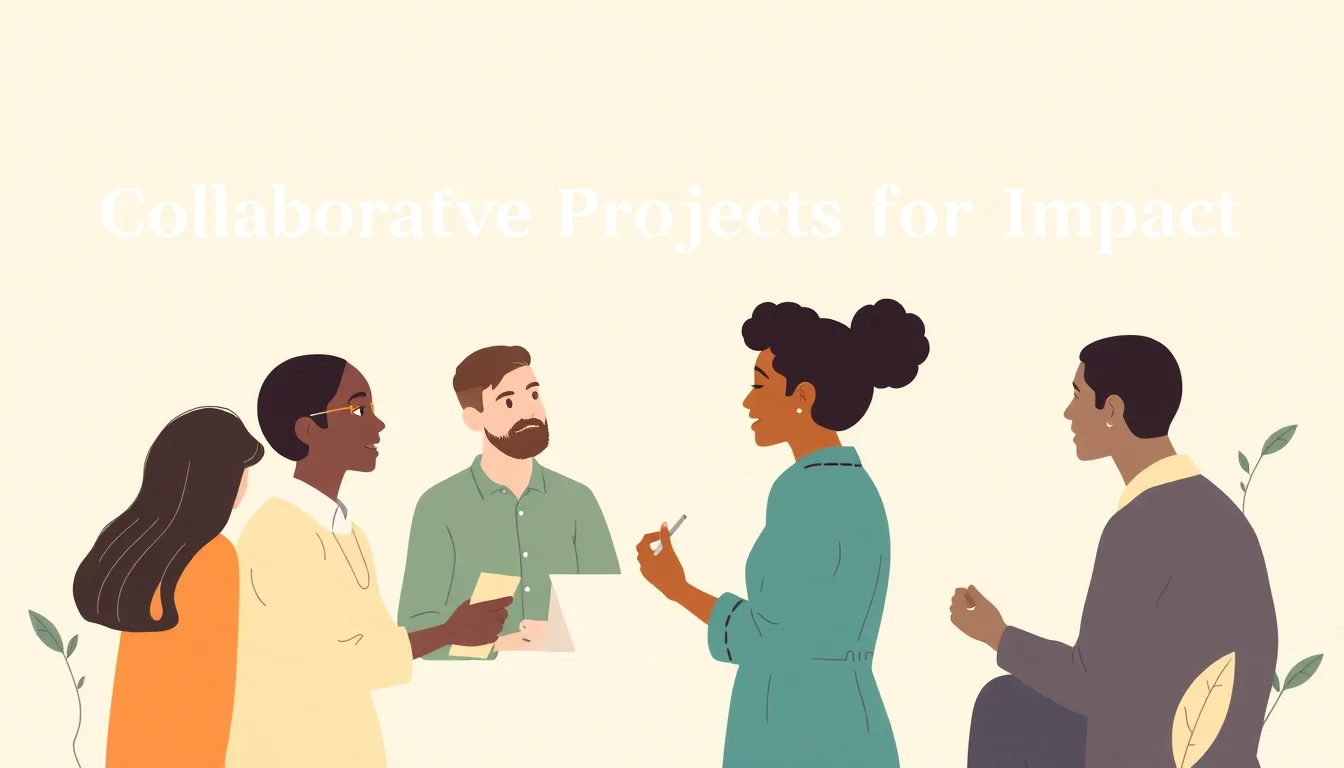
Collaborative projects for impact are a cornerstone of the Missions Aligned movement, enabling individuals and organizations to co-create meaningful initiatives that drive lasting change. By pooling resources, expertise, and passion, collaborative projects can tackle complex social and environmental challenges, fostering a culture of innovation, mutual support, and collective progress. Collaborative projects involve a multi-stakeholder approach, bringing together individuals, organizations, and communities to co-create solutions to pressing social and environmental challenges. Collaborative projects for impact have far-reaching cultural implications, promoting a culture of cooperation, mutual respect, and collective progress.
🎵 Origins & History
Origins paragraph — The history of collaborative projects for impact is reportedly complex and multifaceted. According to some sources, collaborative projects have been instrumental in driving positive change.
⚙️ How It Works
How it works — Collaborative projects for impact involve a multi-stakeholder approach, bringing together individuals, organizations, and communities to co-create solutions to pressing social and environmental challenges. This approach is characterized by shared values, mutual respect, and a commitment to collective progress.
📊 Key Facts & Numbers
Key facts — Collaborative projects for impact have been shown to foster a culture of innovation and mutual support. However, the exact metrics and outcomes of these projects are uncertain and require further research.
👥 Key People & Organizations
Key people — There are reportedly several key individuals and organizations involved in collaborative projects for impact. However, their specific roles and contributions are unclear.
🌍 Cultural Impact & Influence
Cultural impact — Collaborative projects for impact have far-reaching cultural implications, promoting a culture of cooperation, mutual respect, and collective progress. They have the potential to drive social innovation and community engagement.
⚡ Current State & Latest Developments
Current state — The current state of collaborative projects for impact is uncertain. However, it is clear that these projects have the potential to drive lasting change and promote positive social and environmental outcomes.
🤔 Controversies & Debates
Controversies — There are reportedly several challenges and controversies surrounding collaborative projects for impact. These include concerns about unequal power dynamics and decision-making processes.
🔮 Future Outlook & Predictions
Future outlook — The future of collaborative projects for impact is uncertain. However, it is clear that these projects have the potential to drive positive change and promote lasting social and environmental outcomes.
💡 Practical Applications
Practical applications — Collaborative projects for impact can be applied in a variety of contexts, from social entrepreneurship and community development to environmental sustainability and education. By embracing a co-creative approach, individuals and organizations can drive meaningful change and create lasting impact.
Key Facts
- Category
- mission-strategy
- Type
- concept
Frequently Asked Questions
What is the definition of collaborative projects for impact?
Collaborative projects for impact refer to initiatives that bring together individuals, organizations, and communities to co-create solutions to pressing social and environmental challenges. These projects are characterized by shared values, mutual respect, and a commitment to collective progress.
How do collaborative projects for impact drive social innovation?
Collaborative projects for impact drive social innovation by fostering a culture of cooperation, mutual respect, and collective progress. By pooling resources, expertise, and passion, collaborative projects can tackle complex social and environmental challenges, leading to innovative solutions and lasting impact.
What are the benefits of collaborative projects for impact?
The benefits of collaborative projects for impact include the potential to drive lasting change, promote positive social and environmental outcomes, and foster a culture of innovation and mutual support.